
Politics and Campaigns
Jeffries Wins 251–11 Nomination as Democrats Press Campaign-Money Demands
Colorado Rep.-elect Melat Kiros joined members-elect seeking policy commitments, including on money in politics. The caucus vote changed the party’s nominee, not campaign-spending rules.
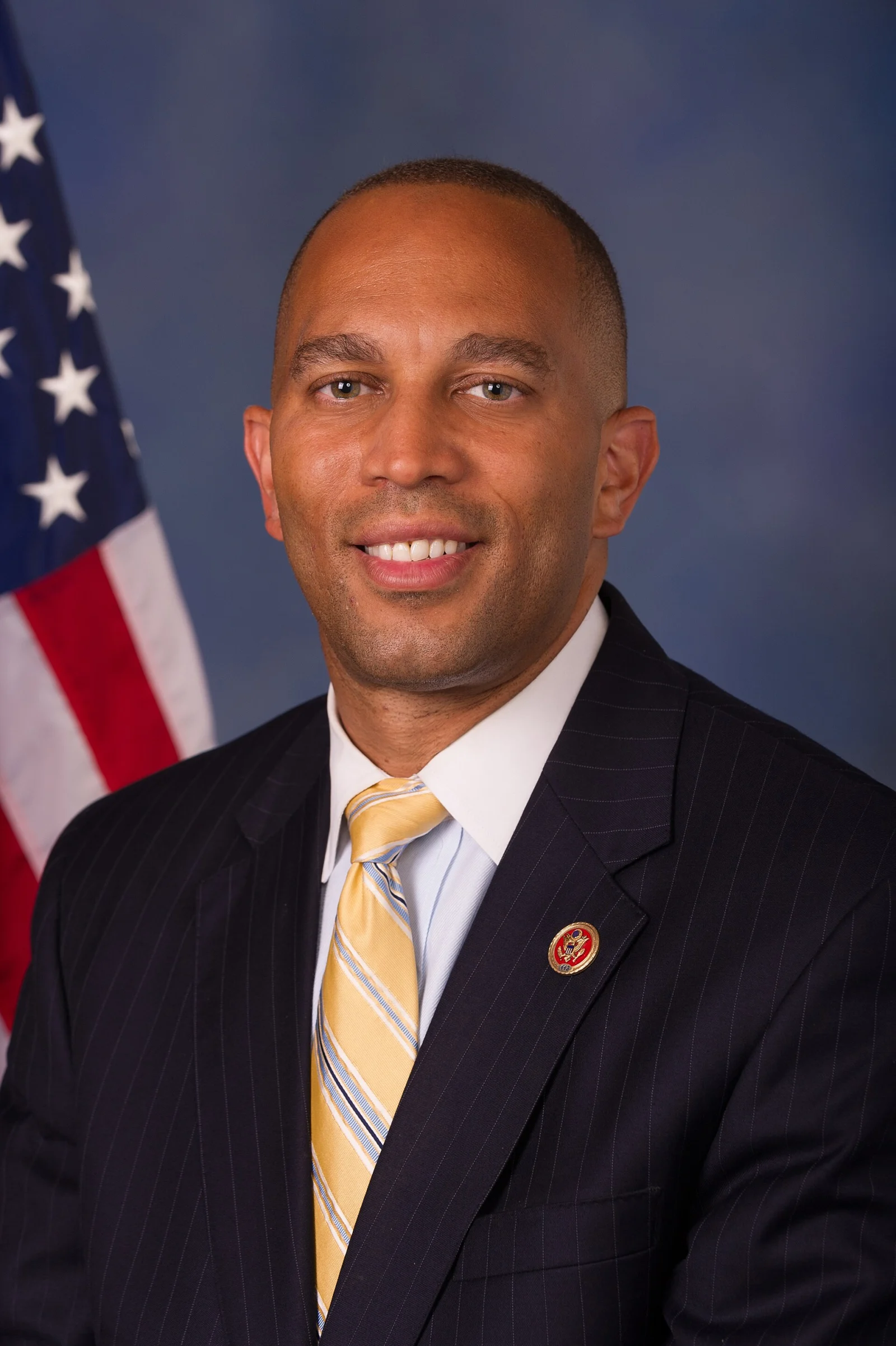
House Democrats nominated Hakeem Jeffries for speaker on November 18 in a 251–11 caucus vote. Colorado Rep.-elect Melat Kiros was among those who voted against him while seeking stronger policy commitments. For political campaigns and advertisers, the immediate distinction is that the ballot selected a party nominee; it changed no campaign-spending rules.
Kiros and six other members-elect issued a joint statement calling for commitments on Medicare for All, immigration enforcement, money in politics and Gaza. They said discussions with Jeffries had made “meaningful progress” and were continuing. The statement did not identify a finalized agreement or timetable on campaign money.
What the campaign-money demand means
In remarks on November 17, Jeffries said Democrats were committed to getting big money out of politics by ending Citizens United. The members-elect’s statement the following day kept money in politics among their requests. Those positions may shape further talks, but neither the remarks nor the nomination imposed a new advertising restriction or spending limit.
The statement’s signatures also need to be distinguished from the ballots cast. All seven signatories cannot be counted among the 11 who voted against Jeffries: Frederick Haynes III missed the vote because he was ill, although he intended to vote no, his spokesperson said.
The decision still ahead
The nomination does not make Jeffries speaker. The full House is expected to vote when the next Congress convenes January 3, 2027. Under the speaker-election procedure, a candidate needs a majority of votes cast for a person by name. Until then, the members-elect’s campaign-money demand remains a subject of discussion, not a new rule for campaign operators.
Read the source material
Sources & references
- Rep. Lofgren Statement on House Leadership Vote | Congresswoman Zoe Lofgren lofgren.house.gov
- www.coloradopolitics.com www.coloradopolitics.com
- Democratic Members-Elect On House Speaker Leadership Vote: “We Have Worked To Secure Commitments From Leader Jeffries” - Black Star News blackstarnews.com
- LEADER JEFFRIES: "WE'RE GOING TO FIGHT HARD TO MAKE LIFE MORE AFFORDABLE FOR THE AMERICAN PEOPLE" | Democratic Leader Hakeem Jeffries democraticleader.house.gov
- The Democrats Who Voted Against Nominating Hakeem Jeffries for Speaker of the House - AOL www.aol.com
- www.axios.com www.axios.com
- Electing the Speaker of the House of www.congress.gov